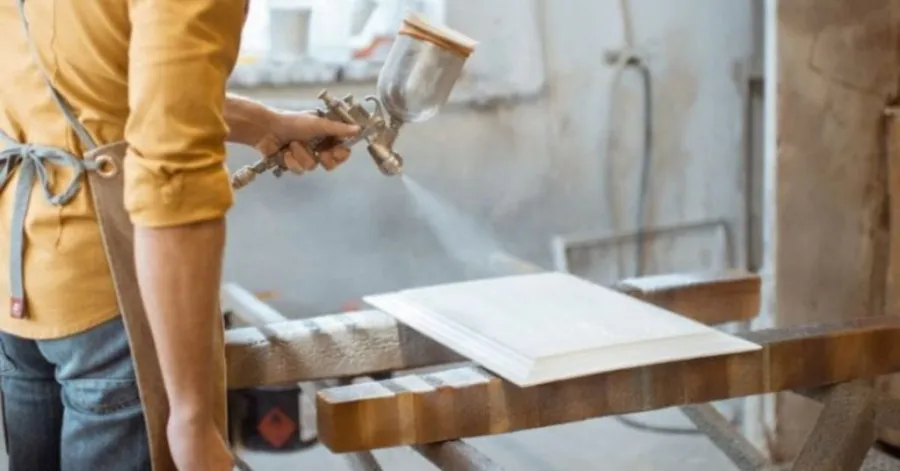
Before you start any project, it is important to know how long does spray paint take to dry, so you can plan your work, avoid smudges, and get a clean final result. Different surfaces react to paint in different ways, which causes drying times to vary:
- Wood usually dries in 1–2 hours.
- Metal often dries within 10–30 minutes.
- Plastic needs about 30–60 minutes
However, you must keep in mind that the time frame may change once temperature, humidity, airflow, and paint type come into focus. Warm and dry conditions support faster results, while cold or humid environments slow the process. It is always helpful to check the label on your paint for precise guidance.
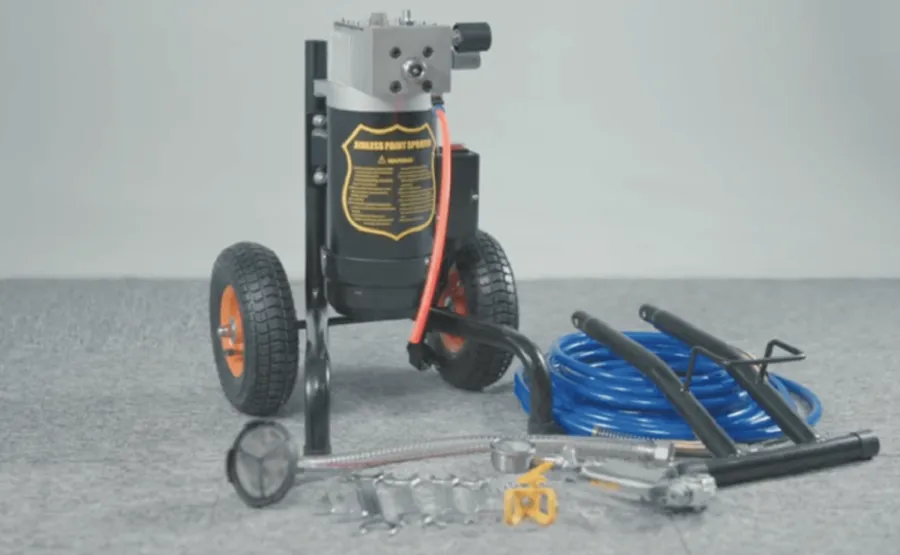
In addition, the paint sprayer (if you use) also affects how evenly the paint settles. For example, VEVOR’s High Pressure Airless Paint Sprayer applies a smooth and steady coat that supports uniform drying on interior and exterior surfaces.
Now let’s discuss in detail how much time spray paint takes to dry on different surfaces, what factors affect it, and how best you can dry it.
How Long Does Spray Paint Take to Dry by Surface?
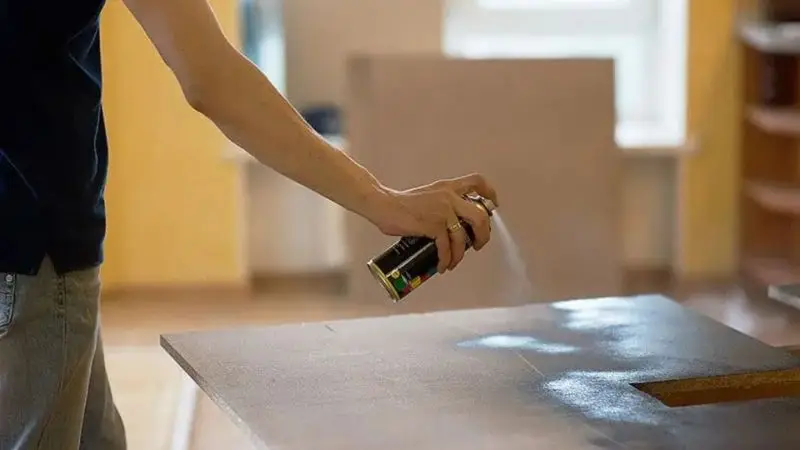
Okay, the spray paint dry time depends on the material you choose. You can use the table below to see the average drying time for wood, metal, plastic, and other surfaces.
| Surface | Average Drying Time | Full Cure Time |
| Wood | 1-2 hours | 24-48 hours |
| Metal | 10-30 minutes | 24 hours |
| Plastic | 30-60 minutes | 24-48 hours |
| Other Surfaces | 1-2 hours or more | 24-48 hours |
Tip: Always check the label on your spray paint. The manufacturer gives the best advice for spray paint dry time on your chosen surface.
How Long Does Spray Paint Take to Dry on Wood?
You often use wood for furniture, crafts, or home repairs. Spray paint dry time on wood usually takes 1-2 hours to become dry to the touch. If you use thicker coats, the drying time increases. You should wait at least 24-48 hours for the paint to fully cure before you handle or use the item. Warm air and low humidity help the paint dry faster on wood. If you paint outside, keep the surface away from dust and direct sunlight.
How Long Does Spray Paint Take to Dry on Metal?
Metal surfaces dry much faster than wood. You can expect spray paint dry time on metal to be around 10-30 minutes. Thin coats help speed up the process. You should wait 24 hours for full curing before you use or move metal objects. If you paint in a cool or damp area, the drying time may increase. Clean and dry the surface before you spray for the best results.
How Long Does Spray Paint Take to Dry on Plastic?
Plastic surfaces need more time than metal but less than wood. Spray paint dry time on plastic is usually 30-60 minutes. You should wait 24-48 hours for the paint to cure completely. If you use special spray paint for plastic, you may see faster results. Make sure the surface is clean and dry before you start. Avoid touching the plastic until the paint feels dry.
How Long Does Spray Paint Take to Dry on Concrete and Other Surfaces?
If you want to spray paint concrete, glass, ceramic, or fabric, you must know that such surfaces have different drying times. Most will need at least 1-2 hours to dry to the touch. Full curing takes 24-48 hours. Always test a small area first. If you use a surface that is glossy or smooth, the drying time may increase. You should follow the instructions on the spray paint can for the best results.
You should always plan for extra time if you want the best finish. If you rush, you may see smudges or fingerprints on the surface. You can use fans or heaters to help speed up drying, but keep safety in mind.
Also Read: How to Clean Spray Paint from Wood, Metal, and More
Factors Affecting Spray Paint Dry Time
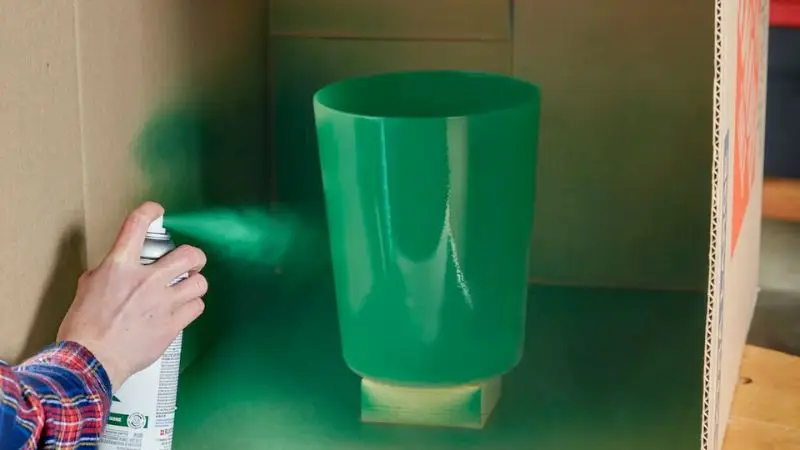
Spray paint does not always dry at the same speed. You need to understand the main dry time factors before you start your project.
All the following factors affect and change the answer to how long does spray paint take to dry.
Temperature & Humidity
Temperature and humidity are important dry time factors. Warm air helps paint dry faster. Cold air slows down the drying time. High humidity keeps moisture in the air. This makes paint stay wet longer. Low humidity lets paint dry quickly. You should always check the environmental conditions before you spray paint. If you paint outside, choose a dry and warm day.
Tip: If you want a smooth finish, paint in a room with good airflow and low humidity.
Paint Type & Thickness
The type of spray paint you use changes the drying time. Some paints dry fast. Others need more time. Thick coats take longer to dry than thin coats. You should always read the label on your spray paint. It tells you how long each coat needs to dry. If you use several thin coats, you get better results on any surface.
Application Method
How you apply spray paint affects dry time factors. If you spray close to the surface, you may get thick spots. These spots dry slowly. If you use even strokes and keep the can moving, you get a thin, smooth layer. Thin layers dry faster. You should always follow the instructions on the spray paint can. This helps you avoid problems with drying time.
Surface Prep
Surface prep is one of the most important dry time factors. If you clean and sand the surface, paint sticks better and dries faster. Dust, oil, or old paint can slow down the drying time. You should always make sure the surface is clean and dry before you start. Good prep helps you get a strong finish and shortens the drying time.
Note: Ideal environmental conditions and good surface prep help you avoid sticky or tacky paint. You get a smooth finish and faster dry time.
How to Make Spray Paint Dry Faster?
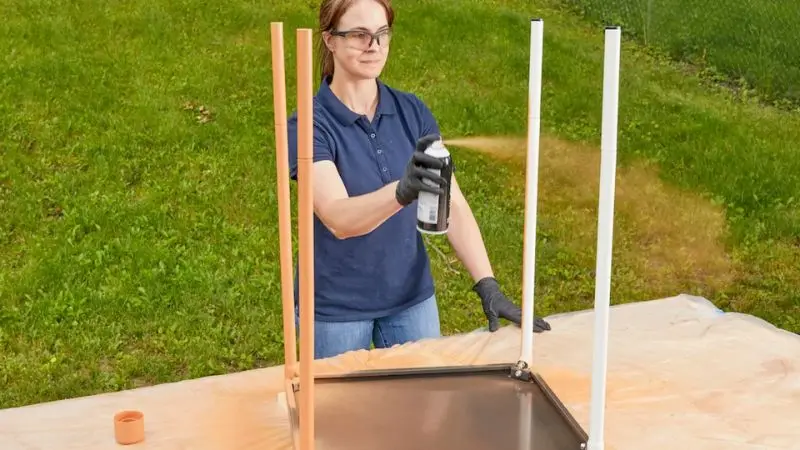
Now, you understand how long does spray paint take to dry, right? Next, you need to learn how to make spray paint dry faster. So, you can save time and avoid mistakes.
Thin Coats
You can surely get better results when you use thin coats of spray paint. Because thick layers take longer to dry and can cause drips or sticky spots. You need to hold the can about 8-12 inches from the surface. After that move your hand in smooth, steady strokes. Let each coat dry before you add another.
Thin coats help spray paint dries quickly and give you a smooth finish.
Air Circulation
Good airflow helps paint dry faster. Okay? So, open windows or doors if you work indoors. You can use a fan to move air around your project. Simply place the fan a safe distance away so it does not blow dust onto the wet paint. Outside, choose a spot with a gentle breeze.
After all, air circulation helps spray paint dries quickly and prevents tacky surfaces.
Tip: You can also use a VEVOR airless sprayer to apply a clean and even coat, which supports faster and more uniform drying on any surface.
Adjusting Conditions
You can change the environment to help paint dry faster. Paint in a warm, dry room. Avoid painting on cold or humid days. If you need extra help, use a space heater or a hair dryer on a low setting. In fact, you should leep the heat source at least a foot away from the painted surface. Never use high heat, as it can damage the paint or the object. Always follow safety tips when using heat.
Tip: Check the weather before you start. Dry, sunny days work best for outdoor projects.
Fast-Drying Paints
Choose spray paints labeled as “fast-drying” for quicker results. These products use special formulas that dry in less time. Read the instructions on the can to see how long you need to wait between coats. Fast-drying paints help you finish your project sooner and reduce the risk of smudges.
Also Read: Essential Spray Painting Tips and Tricks Every Beginner Should Know
Recoat and Cure Times
You need to know the difference between “dry to touch”, “recoat”, and “fully cured” when you use spray paint. “Dry to touch” means you can gently touch the paint without leaving a mark. “Recoat” means you can add another layer of paint. “Fully cured” means the paint has reached its strongest finish and you can use the item without worry.
When to Recoat
You should wait until the paint feels dry before you add another coat. Most spray paints let you recoat after 10-60 minutes. The time depends on the type of paint and the surface. If you use thin coats, you can recoat sooner. Always check the instructions on the can for the best timing.
Tip: If you rush the recoat, you may see bubbles or uneven color. Patience gives you a smooth finish.
Full Cure Time
Paint needs time to reach full strength. Even if the paint feels dry, it is not fully cured. There’s a wide range of paints, from which the majority of spray paints need 24-48 hours to cure. Some projects may need more time, especially if you paint in a cool or humid area.
You can get the best results when you let the paint cure before you use or move the item.
| Stage | Time Needed |
| Dry to Touch | 10-60 minutes |
| Ready to Recoat | 10-60 minutes |
| Fully Cured | 24-48 hours |
Handling & Use
You can handle the painted item gently once it feels dry. Avoid heavy use until the paint cures. If you use the item too soon, you may damage the finish. Wait for the full cure time before you clean, move, or use the item for its purpose. This helps the paint last longer and look better.
Remember: Each surface and paint type may need different times. Always follow the instructions for your project.
Common Drying Problems and How to Fix Them
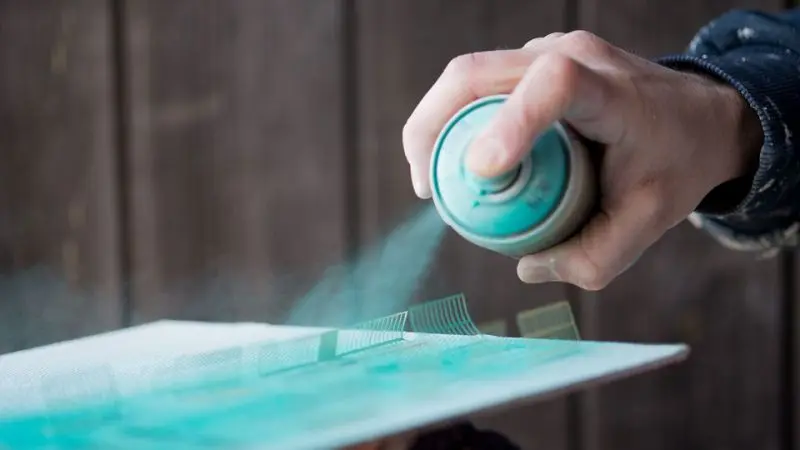
It isn’t enough to know how long does spray paint take to dry and how to accelerate the process. You need to be aware of the problems or mistakes which can slow down the drying process and even ruin the paint.
Sticky or Tacky Paint
Sticky paint feels soft or wet even after waiting. You may see fingerprints or marks when you touch it. This problem often happens when you use thick coats or paint in humid air.
- Use thin coats and let each layer dry before adding more.
- Move your project to a warm, dry area with good airflow.
- Wait longer before handling the item.
Tip: If the paint stays tacky for days, you can use a fan or a hair dryer on a low setting to help it dry. You may also use VEVOR’s airless sprayer in future projects, since a smooth and even coat reduces tackiness and supports faster drying from the start.
Uneven Drying or Drips
Drips and uneven drying can ruin your project. You may see thick spots or streaks on the surface. This happens when you spray too close or use too much paint.
- Hold the spray can 8-12 inches away from the surface.
- Use smooth, steady strokes.
- Wipe away drips with a clean cloth before the paint dries.
| Problem | Solution |
| Drips | Sand lightly and repaint |
| Uneven finish | Apply thin, even coats |
You can sand rough spots after the paint dries. Add a new thin coat for a smooth look.
Also Read: How Can You Get Spray Paint Off A Car at Home.
Paint Not Curing Fully
Sometimes paint feels dry but does not cure fully. You may notice scratches or chips when you use the item. This means the paint did not reach its strongest finish.
- Let the paint cure for 24-48 hours before heavy use.
- Avoid painting in cold or damp conditions.
- Check the instructions on your spray paint for cure times.
Patience helps you get a strong, lasting finish. Always follow the recommended cure time for your project.
You often wonder how long does spray paint take to dry. Use this table for a quick reference:
| Surface | Drying Time |
| Wood | 1-2 hours |
| Metal | 10-30 minutes |
| Plastic | 30-60 minutes |
You get faster results when you use thin coats and good airflow. Always check the label to know how long does spray paint take to dry on your project. Pay attention to temperature and humidity. You avoid mistakes when you follow these tips.
Final Words
Now you have the answer to how long does it take spray paint to dry, and you also understand how each surface responds to spray paint under different conditions. In fact, you clearly understand how to dry it faster by using thin coats, improving airflow, raising the temperature, and preparing the surface correctly. With this approach, you avoid common mistakes like tacky paint, uneven patches, slow curing, and peeling after use.
It is recommended to use VEVOR’s paint spray for smooth and consistent coverage, since a steady coat supports quicker drying and a cleaner final finish.
FAQ
How can you tell if spray paint is dry?
Touch the surface lightly with your fingertip. If the paint feels dry and does not leave a mark, it is dry to the touch. Wait longer if you feel any stickiness.
Can you speed up spray paint drying with a hair dryer?
Yes, you can use a hair dryer on a low setting. Keep it at least 12 inches away from the surface. Move the dryer around to avoid overheating one spot.
What happens if you recoat spray paint too soon?
You may see bubbling, peeling, or uneven color. The new layer can mix with the wet paint underneath. Always wait for the first coat to dry before recoating.
Does spray paint dry faster in the sun?
Spray paint can dry faster in sunlight. However, too much direct sun may cause cracks or fading. Choose a warm, shaded area for best results.