A clean patio can quickly change the look of your outdoor space. It makes it more comfortable for relaxing, having family get-togethers, or weekend barbecues. Still, a lot of people have problems with their decks looking old because of dirt, stains, mould, or damage from the weather. People get frustrated because they don’t know where to begin or think they need expensive tools or skilled help. It’s easier than you think to learn how to clean a patio, which is good news.
This blog post will show you how to clean your patio in a simple, step-by-step way. You can bring your outdoor space back to life and keep it looking great all year with simple steps, everyday items, and helpful advice.
How to Clean Patio: Supplies & Prep
Essential Tools
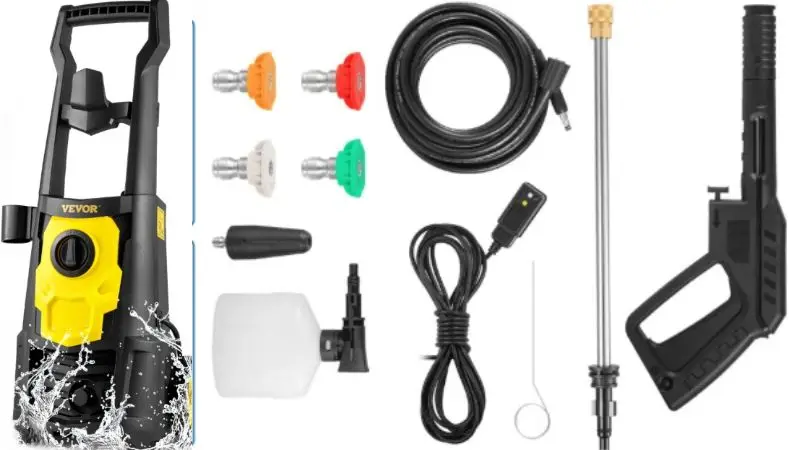
Before you start, gather your cleaning tools. You do not need anything fancy. Most people already have these items at home. Here is a quick list to help you get ready:
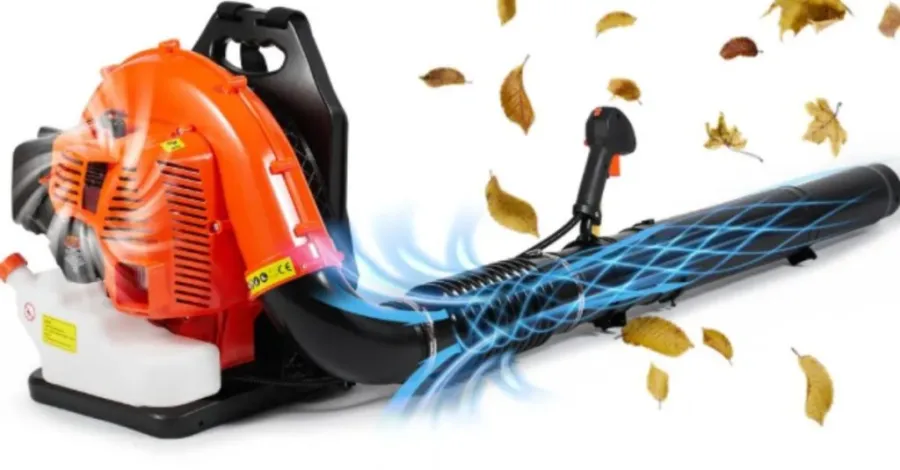
- Broom or leaf blower (for loose dirt and leaves)
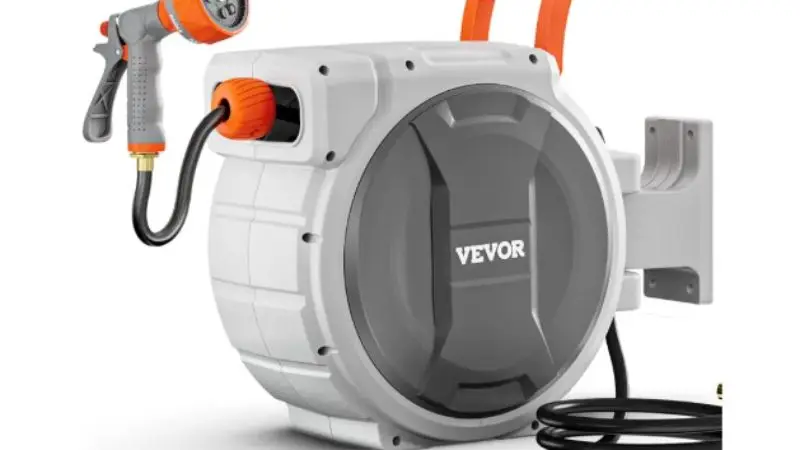
- Garden hose with a spray nozzle
- Stiff-bristled brush or deck brush
- Bucket
- Dustpan
- Old towels or rags
If you are planning how to clean mould off patio surfaces, having a pressure washer can make the process easier. It works well for big patios or tough dirt. You can also rent one if you do not own one.
Cleaning Solutions
You do not need harsh chemicals to learn how to clean patio surfaces. Simple household items work great. Here are some options:
| Cleaning Solution | Best For |
| Dish soap | Every day, dirt, grime |
| White vinegar | Mould, mildew, light stains |
| Baking soda | Grease, stubborn spots |
Mix dish soap with warm water in a bucket. For stains, sprinkle baking soda on the spot, then scrub with a wet brush. White vinegar works well when learning how to clean mould off patio surfaces. Always test a small area first to make sure it does not harm your patio.
Safety Tips
Stay safe while cleaning. Wear gloves to protect your hands from rough surfaces and cleaning solutions. If using a pressure washer, keep closed‑toe shoes and eye protection on. Water and cleaners can harm plants. That’s why cover nearby flowers or move potted plants away.
A well‑planned setup shows how to clean a patio without chemicals effectively while keeping your work smooth, your plants protected, and your patio ready for the next steps.
How to Clean a Patio: Step-by-Step
Cleaning your patio does not have to feel overwhelming. You can break the job into simple steps. Follow this guide to make your patio look fresh and inviting.
Sweep & Clear
Start by removing everything from your patio. Move chairs, tables, and planters to a safe spot. Grab your broom or leaf blower. Sweep away leaves, dirt, and loose debris. Pay attention to corners and edges. If you see any large branches or trash, pick them up by hand.
Tip: Sweeping before you get anything wet makes the rest of the cleaning much easier.
Hose Down
How to clean a patio without chemicals is simple. Start by rinsing it with a garden hose. Spray from one end to the other to remove dust and debris. A pressure washer can give a deeper clean. But it keeps on a low setting for delicate surfaces. Because high pressure can damage older pavers or soft stone, even without a pressure washer, a regular hose works well. Just focus longer on stubborn spots.
Apply Cleaner & Scrub
Mix dish soap with warm water in a bucket, adding white vinegar for mould or mildew. Sprinkle baking soda on oily spots. For how to clean moss off patio surfaces, dip a stiff brush into the solution and scrub in small sections, using circular motions for tough stains.
Apply extra pressure on concrete walkways. But use light pressure on the stone to avoid scratches. Always test a small area first because soap or vinegar may react differently depending on the surface material.
Rinse & Dry
After scrubbing, rinse the patio thoroughly with your hose, making sure all soap and dirt are washed away. Check for any missed spots and scrub again if necessary. Let the patio air dry, or use old towels to absorb excess water.
Once dry, return your furniture and plants to their places and enjoy the refreshed space. Regular maintenance, like how to clean a patio without chemicals, helps keep surfaces looking great and prevents stains from setting in.
Table: Care Tips for Different Patio Materials
| Patio Material | Special Care Tip |
| Concrete | Scrub firmly, rinse well |
| Natural Stone | Use gentle cleaners, avoid harsh scrubbing |
| Manufactured Pavers | Test cleaners first, and use a soft brush |
Stain & Mould Removal
Tough stains can make your patio look old and dirty. Don’t worry! You can handle most stains with simple tools and household items. Let’s break down how you can tackle each type.
Oil & Grease Stains
Oil and grease stains often come from grills or dropped food. You can remove them with a few easy steps:
- Sprinkle baking soda right on the stain. Baking soda helps soak up the oil.
- Let it sit for 15-20 minutes.
- Scrub the spot with a stiff brush and a little dish soap mixed with warm water.
- Rinse the area with your hose.
Tip: For really stubborn stains, repeat the process or try a paste of baking soda and water.
Mold & Mildew
Mould and mildew love damp patios. You might see green or black spots. To address this, knowing how to clean mould off patio surfaces is key.
- Mix equal parts white vinegar and water in a spray bottle.
- Spray the mixture on the mouldy spots.
- Let it sit for 10 minutes.
- Scrub with a brush and rinse well.
Persistent Spots
For tough outdoor stains, the process of how to remove algae from patio surfaces starts with a simple method.
- Make a thick paste with baking soda and a little water.
- Spread the paste on the stain.
- Let it sit for 30 minutes.
- Scrub and rinse.
| Stain Type | Best Cleaner | Extra Tip |
| Oil/Grease | Baking soda, soap | Repeat if needed |
| Mould/Mildew | Vinegar, water | Let the patio dry fully |
| Persistent | Baking soda paste | Test on a small area first |
Furniture & Accessories

Outdoor Furniture
Outdoor furniture often gathers dust, pollen, and bird droppings. Keep chairs and tables as fresh as your patio. Start by brushing off loose dirt. For plastic or metal furniture, wash with dish soap and warm water, then rinse and air dry. Wooden furniture should be cleaned with a damp cloth to avoid water damage. For stubborn spots, vinegar and water work well. Always dry wood immediately. While cleaning, also inspect for rust and, if needed, gently scrub and repaint. This also helps with how to remove algae from patio areas..
Here’s a quick table to help you choose the best cleaning method:
| Furniture Type | Best Cleaner | Extra Care Tip |
| Plastic/Metal | Dish soap & water | Rinse and air dry |
| Wood | Vinegar & water | Dry with a towel |
Rugs & Decor
Outdoor rugs and decor enhance your patio, but can hold dirt and moisture. Shake out rugs to remove debris, then rinse with a hose. Scrub stains using dish soap and a brush, and dry them completely over a railing. For decor like lanterns, planters, and cushions, wipe surfaces with a damp cloth. Check cushion labels, as most covers are machine washable. Always dry thoroughly to prevent mould. A simple approach to how to clean moss off patio surfaces also helps keep your outdoor space looking fresh and inviting.
Maintenance Tips
Regular Cleaning
Your patio will always look nice if you clean it regularly. Once a week, sweep to get rid of leaves, dirt, and other waste that could cause stains. Once a month, use a hose and mild soap and water to give it a light scrub. By doing this every day, you can stop damage and build.
For tough spots like bird droppings, clean them up right away. If you see green spots on your porch, you should know how to remove algae from patio surfaces to keep it safe and looking good. Keeping a simple list by your back door can help you stay on track.
Here’s a sample cleaning schedule:
| Task | How Often |
| Sweep debris | Weekly |
| Rinse with a hose | Monthly |
| Deep clean/scrub | Every 3 months |
Preventing Stains
Preventing stains helps your patio stay clean longer. Use mats under grills and tables to catch spills, and shift planters now and then to stop moisture from settling. Wipe spills quickly, blot liquids, and wash sticky spots with mild soap. Keep water from pooling to avoid mildew. Practical habits, like those in guides on how to clean mould off patio areas, work best when done often, reducing the need for heavy scrubbing later.
Conclusion
Now that you know how to clean a patio, maintaining a fresh and inviting outdoor space is simple. By sweeping regularly, rinsing with water, and scrubbing with the right cleaners, you can keep dirt, mould, and stains under control. Regular care prevents buildup, saving you time and effort in the long run. Whether you use basic household supplies or a pressure washer, consistency is the key. With these simple steps, your patio will remain a comfortable, attractive place for relaxation, gatherings, and outdoor enjoyment throughout the year.
FAQ
How often should I clean my patio?
You should sweep your patio every week. Try to rinse and scrub it once a month. If you see stains or mould, clean them right away. Regular care keeps your patio looking great.
Can I use bleach to clean my patio?
Bleach works on some stains, but it can harm plants and some patio surfaces. You should try dish soap, vinegar, or baking soda first. Always test a small spot before using any strong cleaner.
What if I don’t have a pressure washer?
No problem! You can use a garden hose and a stiff brush. Scrub tough spots with soap and water. Most patios come clean without special machines.
How do I protect my patio from stains?
Place mats under grills and tables. Move planters and furniture sometimes. Clean up spills right away. These simple steps help stop stains before they start.