Outdoor cushions make your space warm and welcoming, but dust, dirt, and stains can make them look old over time. Pollen, food spills, and everyday messes can quickly diminish their fresh look. Rain, sun, and wind can also damage cushions, so it’s important to take care of them regularly.
The good news? Cleaning patio cushions is easier than you think! With just a few simple steps, you can wash outdoor cushions, remove mold from cushions, and make them look fresh again. Whether you want to know how to clean moldy outdoor cushions or how to clean outdoor seat cushions, this guide will show you the best ways to clean your cushions and keep them looking new.
Knowing What Your Cushions Are Made Of
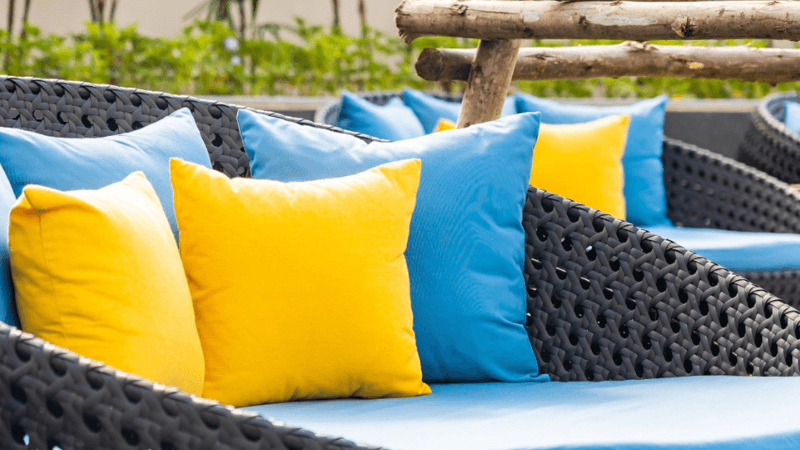
Before cleaning, it’s important to know what your cushions are made of. Different materials need different ways to clean them, and using the wrong cleaner might cause damage. Knowing what kind of cloth they are also helps know how often to clean and what you can do to keep them in good shape.
How to clean outdoor cushions: Here’s a simple guide to common outdoor cushion materials:
- Polyester is strong, light, and water-safe. It’s easy to clean and can be washed with mild soap and water. But too much sun can make it fade, so move them around sometimes.
- Acrylic lasts a long time, keeps its bright colours, and doesn’t fade. It dries fast after washing, making it great for outside use. Some have a special coat that stops stains, but it can wear off and needs more care.
- Olefin is strong and stops stains, fading, and mold. It’s great for outside furniture and one of the best cushion materials in wet places where mildew on cushions is common.
- Cotton Blends are soft and comfy but soak up water easily. They can get mold and mildew and need special care, like making them water-safe, to keep them good.
Knowing your cushion’s material helps with choosing which cleaning products or methods to use. For instance, a cushion made of polyester can be washed using mild soap, however polyester blends need a more delicate approach to prevent damage. Keeping a well-maintained care routine will guarantee that your cushions remain clean for an extended period of time.
How to Clean Outdoor Cushions: Essential Cleaning Supplies
Before you start cleaning, get all your things together. It’ll make the job faster and easier. You likely already have everything you need right at home. If you put all those cleaning things in one spot, like a box, it’ll be even easier to clean next time.
Tools you require for cleaning:
- Mild soap or dish soap: Mild soap or dish soap aids in removing dirt and stains without inflicting more damage on the fabric.
- Soft brush or sponge: These help scrub off stains without harming the cushion material. A soft brush is ideal for deep cleaning cushions without causing wear.
- A vacuum cleaner: A vacuum cleaner with a special end for cloth removes dust, crumbs, and pet hair, making the cleaning better. Cleaning often can also help stop dirt from getting into the cloth.
- Bucket of warm water: This is used to mix the cleaning stuff. Warm water works better than cold water in loosening dirt and grime.
- Garden hose: This tool rinses soap and dirt from cushions that can’t be taken apart. It is best to use a hose with different pressure settings to avoid harming soft cloths.
- Soft cloths/wash towels: Having soft towels aids in soaking up excess water, ensuring that cushions dry fast. Streak-free cloths can further help with rinsing.
In the case of tough stains, these additional cleaning items would be needed: A fabric cleaner dedicated to outdoor cushions or a vinegar/water mix, which is helpful for mold and mildew.
- Baking powder: Assists in cushion stain removal, eliminating odors from the cushions and making them smell fresher.
- Rubbing alcohol: Helps in getting rid of ink/grease stains without soaking the fabric, ensuring it stays dry.
- Using white vinegar: An excellent natural cleaner for removing mold from cushions and removing tough stains.
Prior to cleaning, cover all necessary surfaces to prevent damage. Always test remedy cleaners on small, non-visible areas first.
How to Clean Removable Outdoor Cushion Covers
If your outdoor cushions have removable covers, cleaning them is much easier. Regular washing can prevent stains and keep them looking fresh for longer. Follow these steps to learn how to clean outdoor cushions:
Step 1: Take Off the Covers
Check if your cushions have zippers or buttons that allow you to remove the covers. If you’re unsure, check the care tag for instructions. Removing the covers prevents the cushion filling from getting wet or damaged during cleaning. If the inserts get wet, they can take a long time to dry and may develop mold.
Step 2: Shake Off Loose Dirt
A quick shake can remove a lot of dust and dirt before washing. Take the covers outside and shake them well to remove dust, crumbs, and bits. This simple step stops loose dirt from getting into the cloth during washing. If you have pets, using a sticky roller before washing can help remove fur and hair better.
Step 3: Wash the Covers
Keeping cushion covers clean helps them last longer and look fresh.
- Machine Washing: If the covers can be washed in a machine, put them in the washer on a gentle cycle with cold water and mild soap. Don’t use bleach unless the care label says it’s safe.
- Hand Washing: If machine washing isn’t an option, fill a bucket with warm water and mild soap, then gently scrub the covers with a soft sponge. Don’t twist them too hard, as this can stretch the cloth.
Step 4: Dry in the Air
Let the covers air dry completely. This prevents bad smells and mold from forming. After washing, lay the covers flat or hang them in a sunny spot to air dry. Don’t use a dryer unless the care tag says it’s safe. Putting damp covers back on the cushions can cause mold and bad smells. To dry outdoor cushions faster, put them in a windy area or use a fan.
How to Clean Non-Removable Outdoor Cushion Covers
If your cushions don’t have covers that can be removed, cleaning them requires a slightly different approach. Here’s the method about how to clean non-removable cushion covers.
Step 1: Shake or Vacuum Off Dirt
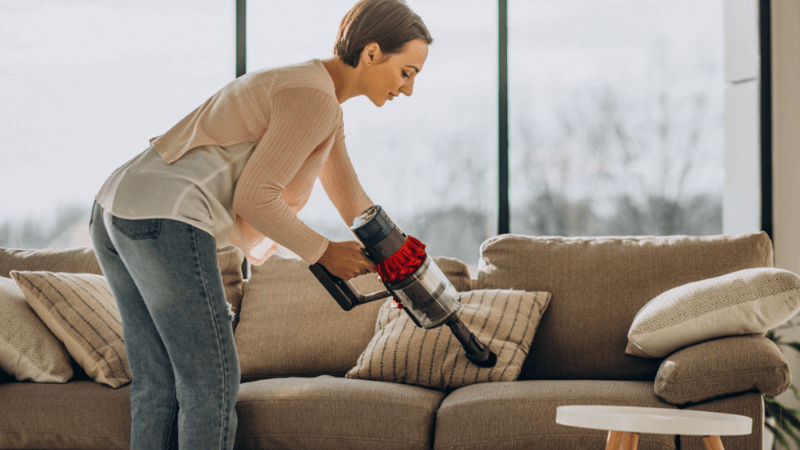
Getting rid of loose dirt first makes the cleaning easier and better. Start by removing any loose dirt, dust, or bits. Shake the cushions well, or use a vacuum cleaner with a special end for cloth to clean deep lines and seams where dirt often hides. Doing this regularly can help stop long-term stains.
Step 2: Prepare a Cleaning Mix
Using the right cleaning mix helps remove stains without harming the cloth. Fill a bucket with warm water and mix in a mild soap or an outdoor fabric cleaner. Don’t use strong chemicals, which can weaken the material over time. For best results, always follow the instructions on the cleaner’s label.
Step 3: Scrub with a Soft Brush or Sponge
A gentle scrub helps deep clean the cushions without harming the cloth. Dip a soft brush or sponge into the cleaning mix and scrub the cushions in circles. Pay extra attention to stained or filthy areas. If a stain is very hard, let the cleaning mix sit for 10–15 minutes before scrubbing again.
Step 4: Wash Well
Rinse thoroughly. Wash off all the soap to prevent dirt from sticking to the cloth later. After scrubbing, rinse the cushions with a garden hose until all soap is removed. Any leftover soap can attract more dirt over time and leave streaks or spots.
Step 5: Dry in the Sun
Drying in the sun helps make the cushions fresh and kill germs. Put the outdoor cushions in a sunny spot to dry completely. Sunlight not only dries them faster but also helps kill germs and mold. If the cushions are thick, flipping them a few times during drying can help make sure they dry evenly.
Removing Stains from Outside Cushions
Mold, grease, food, or ink can stain outdoor cushions. Here’s how to clean moldy outdoor cushions and keep them new:
- Mold and mildew: Mix one cup of vinegar with a gallon of warm water. Rub the bad spots with a sponge. For hard stains, put baking soda before rubbing. Wash with clean water and let the cushions dry in the sun.
- Grease Stains: Put dish soap on the stain and rub gently with a soft brush. Wash with warm water and pat with a towel. If the stain stays, do it again before letting the cushion dry in the sun.
- Food & Drink Stains: To prevent spills from staying, pat spills right away with a clean cloth. Rub the area with warm water and light soap, then wash well. Let the cushion air dry fully before using it again.
- Ink or Hard Stains: Dab ink stains with rubbing alcohol—don’t rub, as it can spread the stain. Once the stain fades, wash with warm water and light soap. For tougher stains, try a cushion stain removal product, testing it on a hidden area first.
Taking off stains doesn’t have to be hard. You can fix your cushions and keep them looking new with the right ways.
Stopping Future Stains & Damage
Regular care is key to keeping the look and how long outdoor cushions last. You can greatly reduce the risk of stains and cloth damage by taking a few simple steps.
- Use Cover
Buying good, weather-stopping covers helps protect cushions from dirt, water, and sun. Covers act like walls, stopping water from getting in and reducing the chance of mold. When not in use, keep cushions in a covered patio area, storage bin, or a weather-stopping storage bag to make them last longer.
- Put On Cloth Protectors
Cloth protectors, like waterproof sprays, make a protective layer that helps protect outdoor cushions from liquids, stains, and dirt. To make sure they work best:
- Pick a protector made for outdoor fabric cleaner use.
- Put it evenly across the whole cushion, following the instructions.
- Put it on again every few months, especially after deep cleaning of the cushions, to keep the protective layer.
- Clean Spills Right Away
The faster you clean spills, the less likely they are to leave stains. By blotting spills as soon as they happen, you can stop liquids from soaking deep into the cloth, making cleanup easier later on.
- Move and Flip Cushions Often
Outside cushions wear unevenly because they spend a lot of time in sunlight and are used frequently. Moving and flipping cushions every few weeks helps spread wear evenly, reducing the risk of fading and cloth weakening in one area.
- Store Cushions During Bad Weather
If you live in an area with very different seasons, use weatherproof or deck boxes to protect them from rain and sun for outdoor storage. Freezing weather and too much water can cause the cloth to break down or get mold. Keep them in a dry, well-aired area to protect them from the weather.
Conclusion
Keeping outside cushions clean and well-kept not only makes them look better but also makes them last longer. Cleaning them often stops dirt from building up, keeps the clothes good, and ensures they stay soft and comfy. Easy methods on how to clean outdoor cushions, like quick cushion cleaning, drying cushions correctly, and cleaning stains fast, can help stop long-term harm. By putting in a little time and work, you can keep the color, feel, and how long your cushions last, ensuring a fresh, nice outside space for relaxing and fun for years to come.
FAQ
How often should you clean outside cushions?
To keep your cushions looking their best, clean them every few months or when you see dirt and stains. Cleaning often prevents dirt from staying and helps keep it bright.
Can you use bleach on outside cushions?
Only if the tag says bleach is okay to use. Bleach can weaken the cloth and change its color, so it’s better to use mild soap and water or an outdoor fabric cleaner for regular cleaning. Try a little bleach mix on a hidden spot before using it on the whole cushion.
What’s the best way to dry outside cushions?
Drying them in the sun is the best method because it helps get rid of water fast, stopping mold. Sometimes, turn the cushions so both sides dry evenly. Before using them again, make sure they are fully dry to prevent water from staying inside and mildew on cushions.